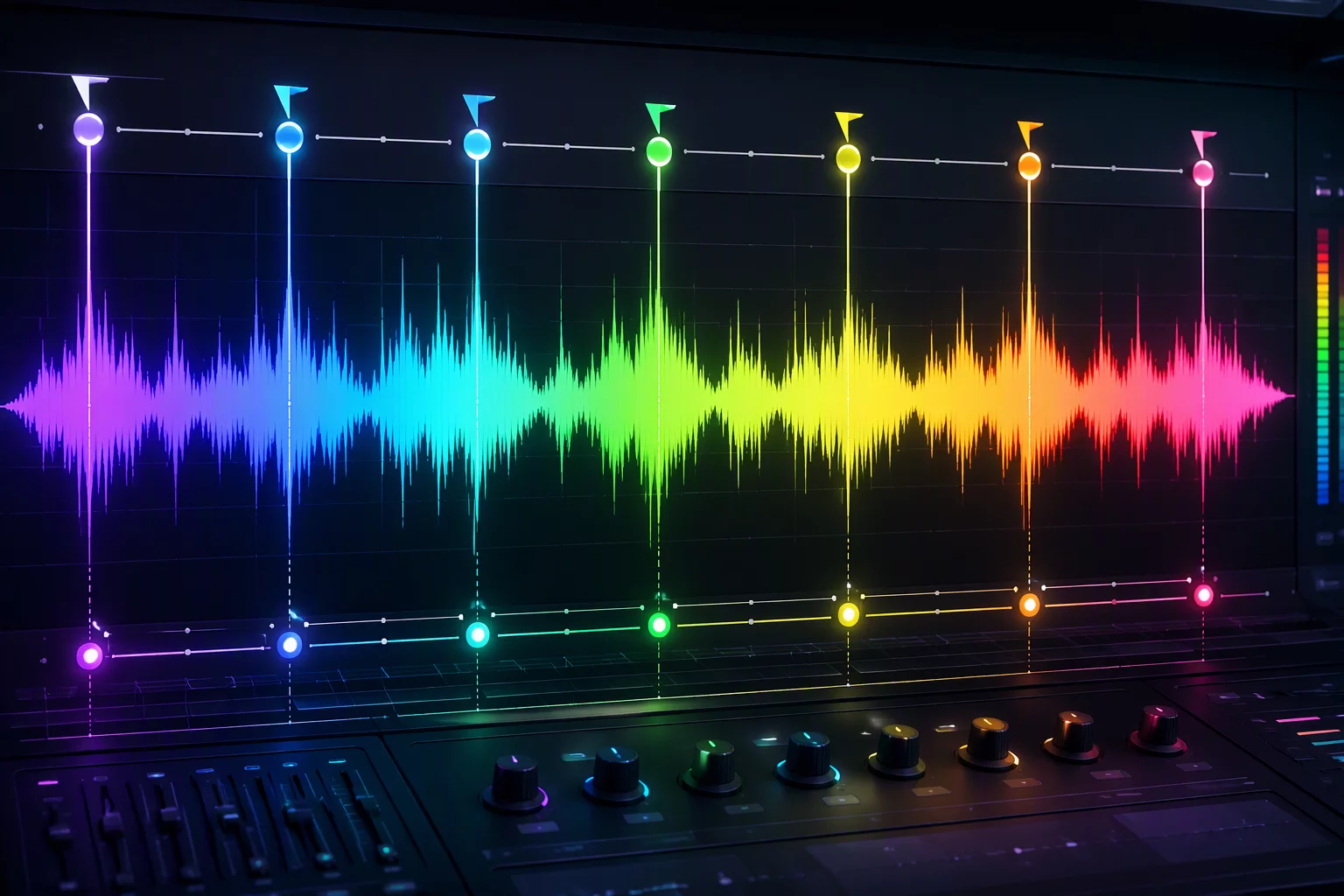
The Trap of Symmetrical Pad Decoration
When opening a freshly analyzed track, the temptation to assign colors and labels to every available pad is strong. Many DJs set hot cues at arbitrary four-bar intervals simply to fill the hardware interface. During a fast-paced set in a dimly lit club, eight multi-colored buttons without strict functional hierarchy produce decision paralysis rather than confidence.
A cue point exists to offload cognitive load from the DJ to the system. If you have to pause and recall whether pad 3 is an intro loop, a breakdown vocal, or an emergency mix-out, the cue marker fails its primary purpose. Memory anchors must communicate immediate operational intent within fractions of a second.
Ledger Rule: The Three-Cue Verification Mandate
Never mark a track as Performance Ready until it possesses at least three verified functional cues: Primary Mix-In Entry, Definitive Drop or Harmonic Core, and Structural Exit Point. Any additional hot cue must answer a specific performance action.
Building an Actionable Cue Hierarchy
A functional cue scheme relies on standardized slot assignments across your entire library. Standardized pad positions allow muscle memory to take over, regardless of genre or tempo:
-
01
Slot 1 & 2: Structural Entries and Phrase Alignment Reserve Cue 1 strictly for the true phrase downbeat of the track. Use Cue 2 for the primary mix-in point where the main percussive groove locks in, skipping excessive ambient intros when quick layering is required.
-
02
Slot 3 & 4: Energy Shifts and Breakdown Hooks Map Cue 3 to the main build or vocal hook, giving you instant access to high-energy phrases. Allocate Cue 4 to the drop downbeat to execute prompt drop-swaps or live phrase re-triggering without searching waveforms.
-
03
Slot 5 & 6: Safe Mix-Out Zones and Cue Loops Place Cue 5 at the beginning of the final phrase where bass elements thin out, signaling the ideal blend window. Set Cue 6 as an active 8-bar cue loop on an isolated percussion segment to prevent accidental track runouts.
When every track follows identical structural slots, you can transition between unfamiliar records without hesitation. Your fingers strike the exact pad required for the desired musical action.
Maintaining Cue Hygiene Across the Serato Ledger
Software updates, library migrations, and auto-analysis re-scans can occasionally nudge cue positions off transient peaks if beatgrids are unlocked. Always lock your beatgrids once cues are verified, ensuring Serato's quantize value snaps hot cues directly to verified grid markers.
Treat your library as a living ledger. Periodically audit older crates to remove redundant cue points that do not serve live mixing decisions. Clean, purposeful markers ensure seamless focus during peak-hour sets.

Technical Inquiries & Discussion
No comments yet. Be the first to start the technical discussion.
Leave a Comment