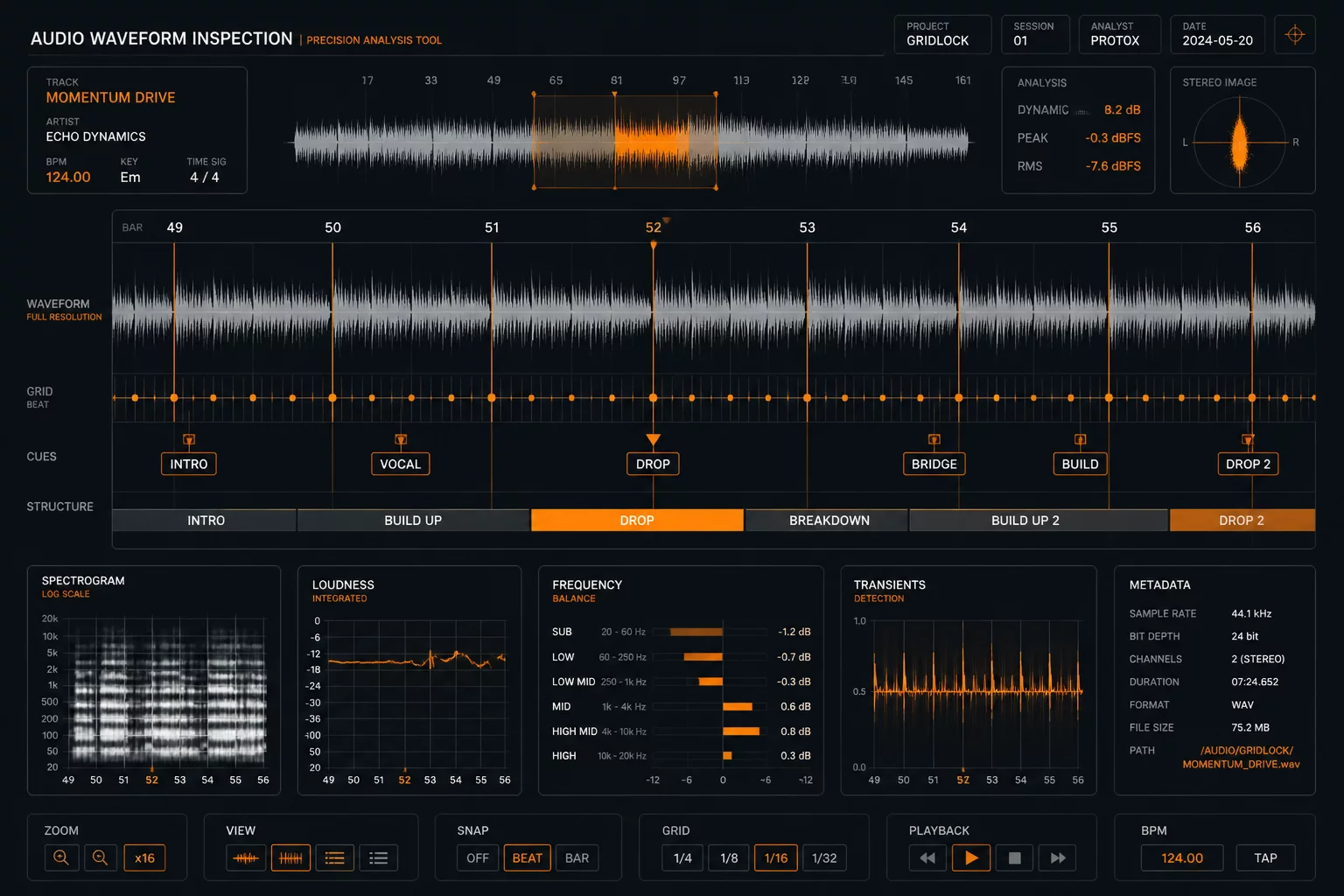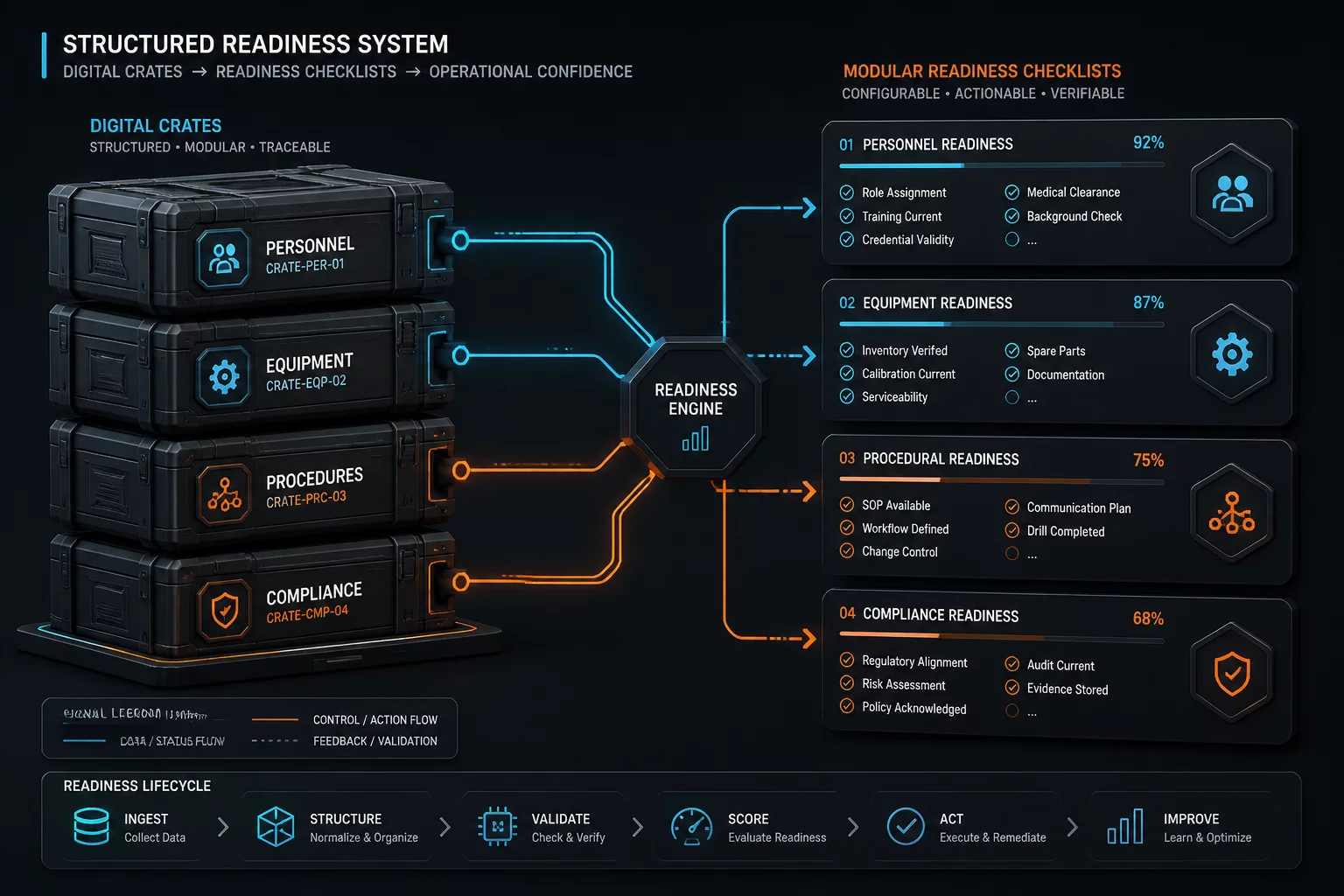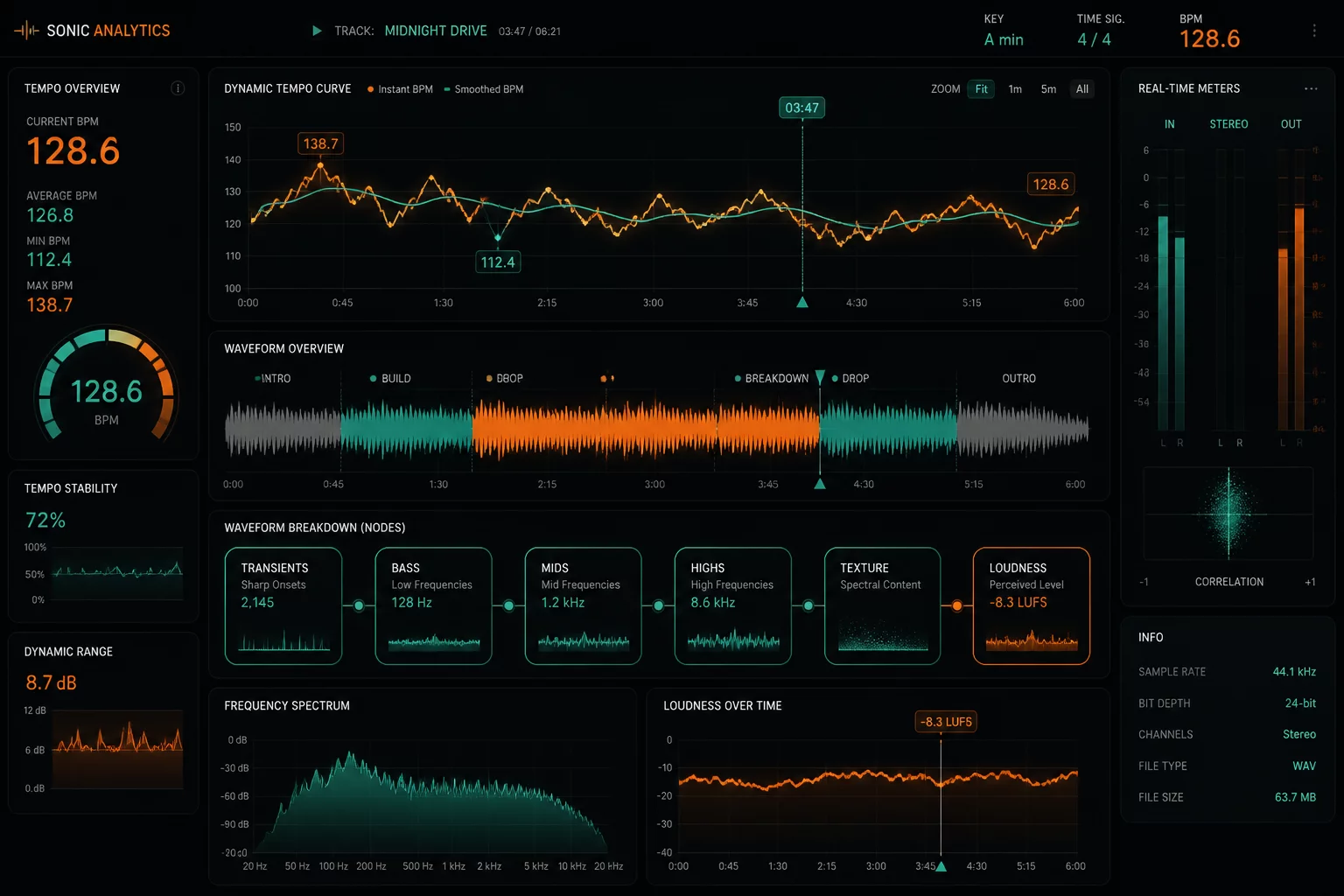
— TRACK ARCHITECTURE & VERIFICATION

Prepare the Track Before You Need It

Study practical library-preparation cases involving analysis, beatgrids, cue points, file location, crates, and performance notes.

100%Human Verified Grids
8-PTCue Placement Ledger
— VERIFICATION PIPELINE

Track Readiness Card: 7-Stage Ledger Workflow

“Do I understand this track well enough to find and use it under pressure?” — the single question every readiness stage answers.

Stage 01 • Ingestion Primary Integrity Check

Source File & Storage Verification

Before Serato DJ Pro accesses audio, the physical file must be validated for lossless container integrity, immutable file naming, and fixed directory allocation to prevent missing database references during live performances.

Verification Standards:

  • Format integrity confirmed (AIFF / FLAC / 320kbps MP3) with no corrupted ID3 headers.
  • File resides in a permanent local storage path, avoiding dynamic cloud sync folders.
  • Standardized naming syntax applied: Artist - Track Title (Mix/Version).
Target Failure Mode Orange missing file indicator or audio dropout
Read File Protocol
Stage 02 • Computation Algorithmic Baseline

Software Auto-Analysis Inspection

Software algorithms provide rough estimates of BPM, musical key, and waveform profiles. This stage treats automated calculations as mere draft hypotheses that require strict human auditory and visual audit.

Verification Standards:

  • Detection of half-time or double-time tempo errors (e.g., 87 BPM vs 174 BPM).
  • Waveform overview rendered completely without truncated high-frequency transients.
  • Initial key signature logged and verified against harmonic compatibility charts.
Target Failure Mode Trusting unverified tempo readouts on complex rhythms
Inspect Comparison
Stage 03 • Calibration Mechanical Sync Root

Precision Beatgrid Calibration

The core metric of track stability. Downbeats are pinned manually, grid drift is corrected across intro, build, and outro sections, and dynamic beatgrid adjustments are locked in place.

Verification Standards:

  • Downbeat (Marker 1.1) positioned exactly on the first audible transient of bar one.
  • Bar 32, 64, and final outro verified against metronome click for drift absence.
  • Dynamic live drummer variations mapped with additional beatgrid markers where needed.
Target Failure Mode Phasing loops and misaligned sync transitions
Grid Guidelines
Stage 04 • Performance Navigation Anchor

Functional Cue Point Architecture

Cue points are navigational memories, not random markers. Every cue slot follows a strict standardized color-coded role: entry mixing points, drop anchors, breakdown sections, and safety outro loops.

Verification Standards:

  • Cue 1 assigned to primary Mix-In point (quantized to downbeat).
  • Cue 2 / 3 mapped to Main Drop and Vocal Hook entry.
  • Cue 7 / 8 reserved for Active Outro Loop and Emergency Exit point.
Target Failure Mode Fumbling hotcues and mistimed drop triggering
Cue Placement Rules
Stage 05 • Organization Crate Positioning

Library Context & Smart Crates

A prepared song must be instantly discoverable under gig pressure. In this stage, songs are routed into the parent taxonomy, mood folders, and smart crate query criteria without cluttering root crates.

Verification Standards:

  • Track linked to exactly one Primary Genre Crate and relevant Multi-Context Crates.
  • BPM and Key tags formatted cleanly for Serato Smart Crate parsing rules.
  • Year and original release metadata vetted to maintain chronological sorting.
Target Failure Mode Searching frantically for a forgotten weapon in 10,000 files
Crate Logic Rules
Stage 06 • Contextual Tags Performance Intel

Energy, Remind Notes & EQ Warnings

The Comments and Remind fields store crucial performance telemetry: dynamic headroom warnings, aggressive vocal sections, harmonic clash warnings, and peak-time energy ratings.

Verification Standards:

  • Energy rating codified into comments (e.g., [E4] Peak-Time Drive).
  • Audio master gain adjusted (Auto-Gain compensated or note added for low masters).
  • Explicit content flag or clean edit status marked in Serato Remind fields.
Target Failure Mode Jarring volume jumps and accidental profanity in corporate sets
Read Notes Guide
Stage 07 • Final Verdict Ledger Decision

Ready for Live Set vs Review Again

The final decision gatekeeper. Only tracks that pass all preceding six checks receive the verified Ready mark. Any track with dubious grid alignment or unclear cue layout is flagged for immediate re-audit.

READY STATUS

Track locked, all 8 cue positions standardized, audio gain normalized, verified in Serato DJ Pro.

REVIEW AGAIN

Drift spotted, cue color non-compliant, or metadata ambiguous. Placed into Quarantine Crate.

Target Failure Mode Loading unvetted songs during peak-hour dancefloor sets
Pre-Gig Audit Protocol
— KNOWLEDGE ARCHITECTURE

Standardized Preparation Directories

Navigate our structured documentation modules designed to eliminate performance risks, calibrate beatgrids precisely, and build verified crate taxonomies in Serato DJ Pro.

DIRECTORY 01 8 GUIDES

Serato DJ Guides

Tactical walkthroughs addressing misaligned transients, downbeat corrections, smart crate synchronization, and intentional cue placement.

Primary Focus Beatgrids & Cue Loops
Verification Mode Manual Waveform Audit
Target Runtime Serato DJ Pro 3.x
DIRECTORY 02 8 FRAMEWORKS

Methodology Base

Systematic engineering principles governing file origin auditing, human verification protocols, and pre-performance library certification.

Primary Focus Readiness Cards & Audits
Verification Mode Human vs Software Check
Workflow Phase Pre-Gig Ingestion
DIRECTORY 03 6 ESSAYS

Articles and Breakdowns

Deep architectural essays inspecting algorithmic limitations, historical preparation paradigms, and the tangible performance costs of live failures.

Primary Focus Algorithm Dissections
Verification Mode Case Studies & Retrospectives
Analysis Scope Dynamic Tempos & Stems
— METHODOLOGY BOUNDARIES

Operational Scope: Standard Verification Ledger

Pre-Execution Audit Principle

Our audit methodology ensures clear task boundaries before track ingestion. We verify structure, sync readiness, and metadata integrity without altering original audio stems.

Methodology Standards

Included in Verification

4 Operations

Beatgrid Verification

Inspection

Manual downbeat correction, drift audit across transitional measures, and dynamic tempo mapping in Serato DJ Pro.

Cue Point Logic Architecture

Performance

Uniform pad color assignments, load marker positioning, drop warnings, and vocal breakdown cues for direct live trigger predictability.

Crate Context & Hierarchy

Organization

Assigning multi-subcrate routing, energy-level tags, and genre taxonomy to eliminate crate dead ends during live sets.

Readiness Card Notes

Documentation

Comprehensive ledger notes on intro length, master tempo stability, and special mixing remarks recorded within ID3 comment fields.

Not Included in Scope

3 Exclusions

Unchecked Auto-Analysis Batching

Automated Only

Simply pressing Serato's auto-analyze and accepting computational BPM without human downbeat and bar-line validation is strictly prohibited.

Audio File Acquisition & Sourcing

Client Owned

Downloading missing tracks, acquiring record pool rips, or sourcing commercial releases on behalf of third parties is out of operational bounds.

Corrupted Stem & Header Repair

Low Level File

Binary data recovery for fragmented MP3s, truncated AIFF headers, or phase-damaged audio stems requires source re-export from originals.

— CRITICAL WORKFLOW HAZARDS

The Hidden Set-Killers in Unverified DJ Libraries

Relying entirely on automated waveform analysis creates silent drift and broken cue hierarchies. When the pressure mounts in a live environment, unverified track data turns minor discrepancies into audible collisions.

Logical structure and digital crates layout diagram ORGANIZATION RISK
System Admin •

Crate Categorization Logic

Isolating single files into monolithic crates causes selection paralysis under live time constraints instead of structured multi-dimensional indexing.

—PROVEN AUDIT METRICS

System Performance Measured in Live Stability

Concrete benchmarks derived from over a decade of hands-on Serato DJ library auditing, beatgrid recalibration, and crisis mitigation.

0+

Years Refining Methodology

Continuous field-tested optimization across legacy SSL to modern Serato DJ Pro environments.

0k+

Tracks Audited

Verified audio files inspected for drift, grid offsets, and logical hot cue placement.

0+

Library Crises Prevented

Corrupt database builds, missing file paths, and live mis-sync catastrophes intercepted before showtime.

0.5 hrs

Average Prep Time Saved

Eliminate repetitive cue hunting and emergency grid fixes during high-pressure performance sets.